
Properties suitable for Supermarkets and Convenience Stores for Sale in Washington, Maryland, and Virginia
The Washington Metropolitan Area is a prime market for supermarkets and convenience stores. With its strong economy, diverse population, and high levels of foot traffic, this region offers excellent opportunities for entrepreneurs and investors looking to expand their reach or establish a new presence in the grocery and convenience store sector.
Super Markets and Convenience Stores for Sale in the Washington Metropolitan Area
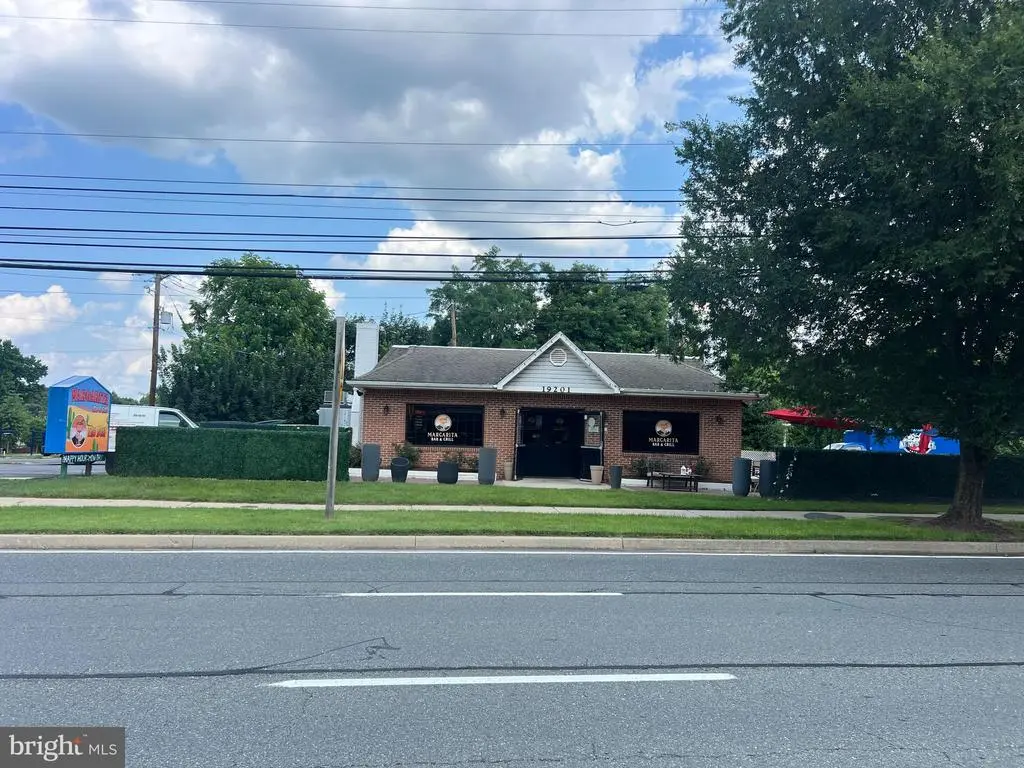
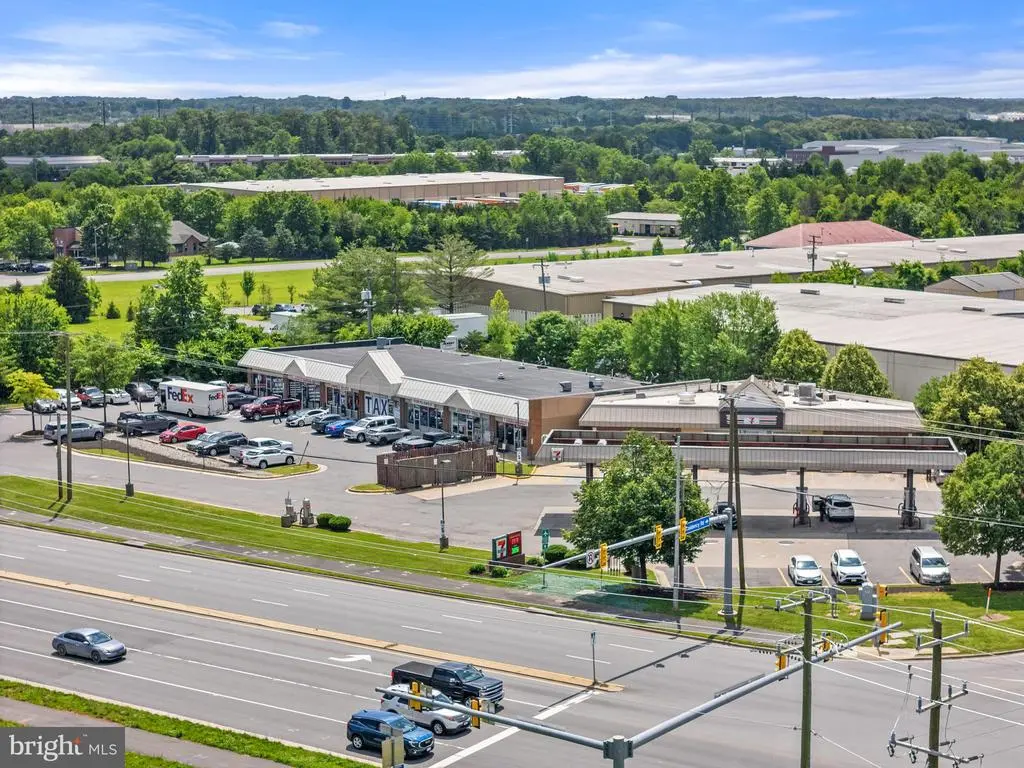
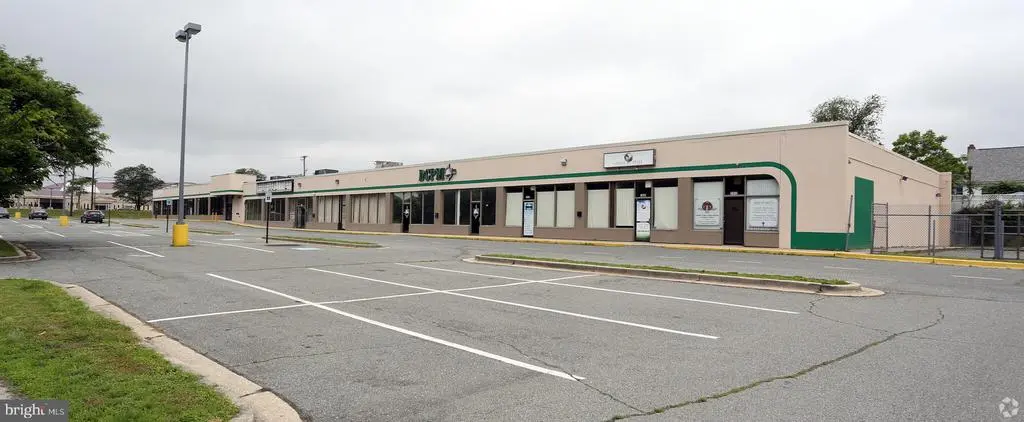

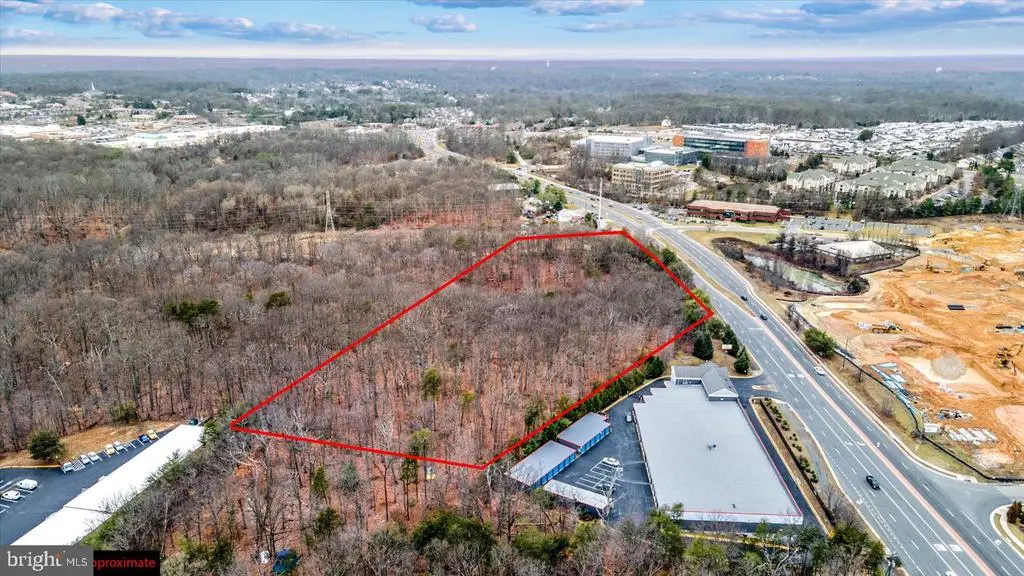

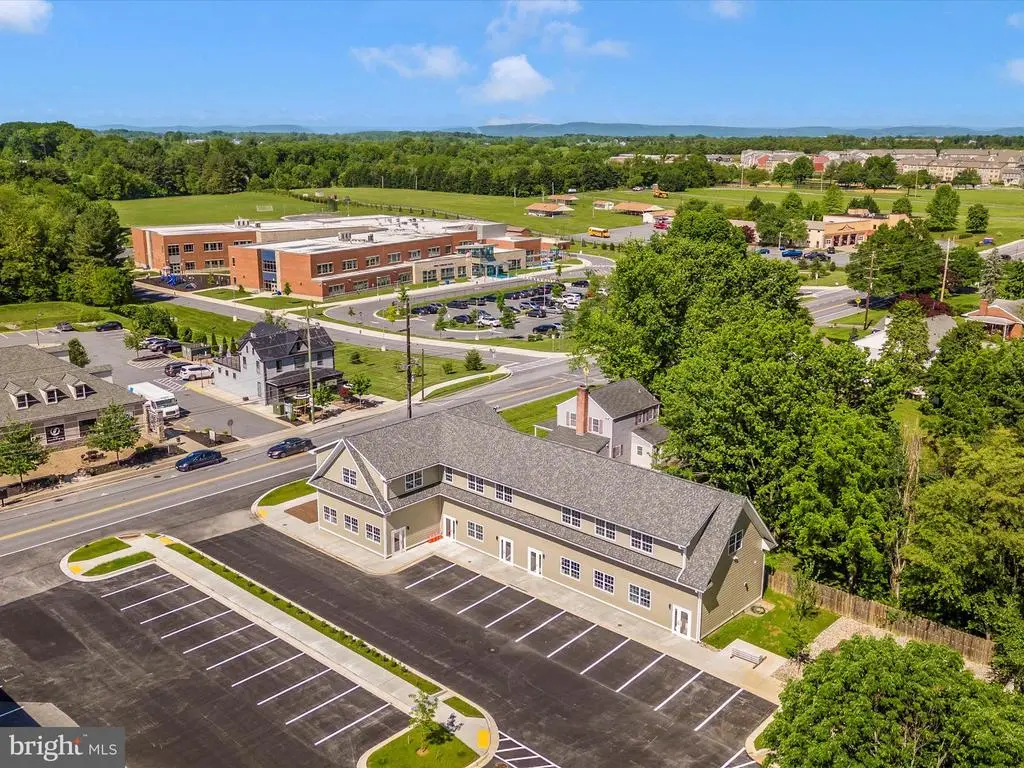

Why Invest in Supermarkets and Convenience Stores?
Supermarkets and convenience stores are vital components of any community, providing essential goods and services to residents and visitors alike. The Washington Metro Area’s robust economy and high disposable income levels make it an ideal location for grocery and convenience retail. Whether you’re looking to open a large-scale supermarket or a neighborhood convenience store, the area’s mix of urban and suburban environments caters to a wide range of business models.
The region is home to a diverse and growing population with varying consumer preferences. This diversity creates opportunities to serve niche markets, such as organic, international, or specialty grocery stores. Convenience stores also thrive here, meeting the needs of busy professionals, families, and students who rely on quick and easy access to essential items.
Prime Locations for Grocery and Convenience Retail
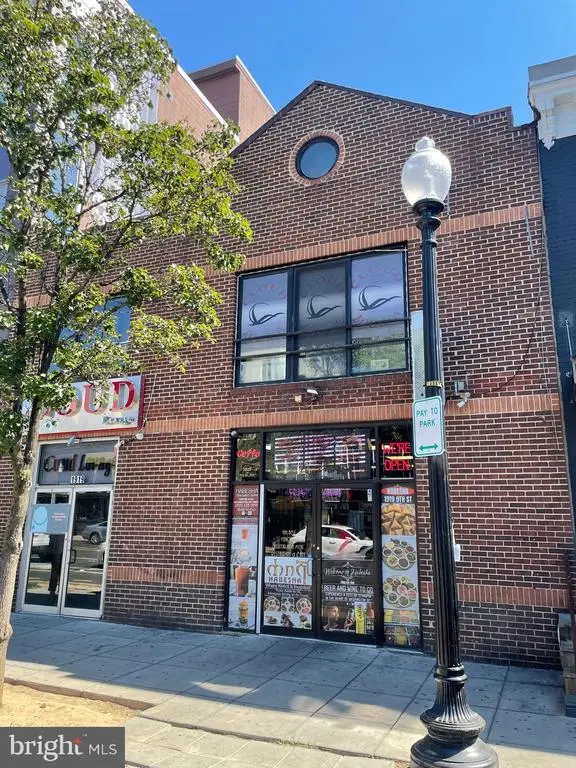
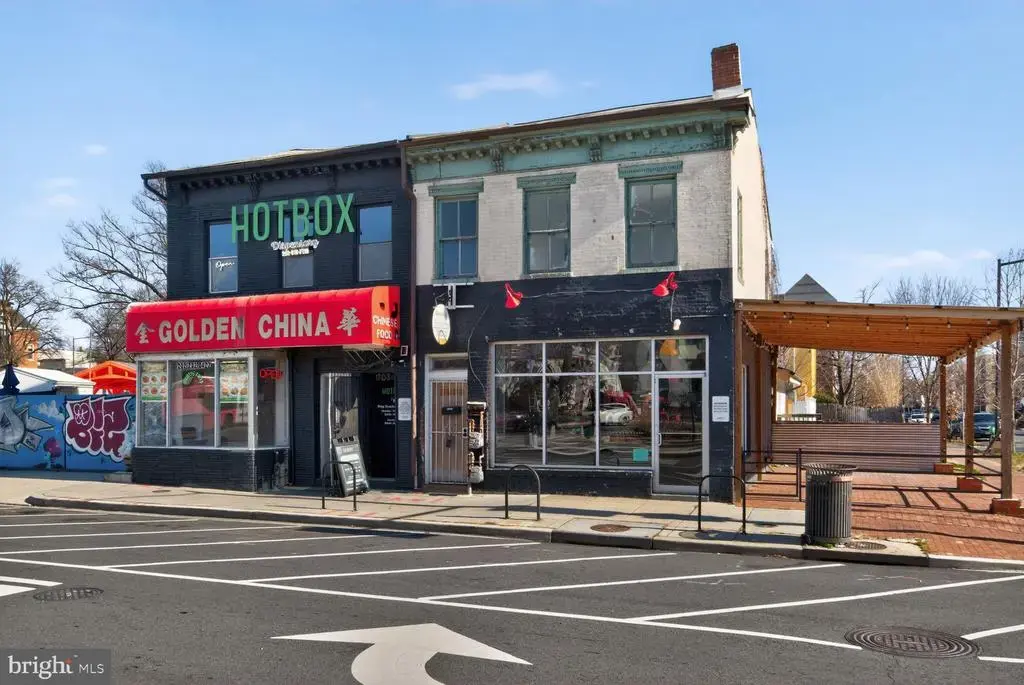
The Washington Metro Area offers a wide range of locations suitable for supermarkets and convenience stores. Urban areas like Georgetown, Capitol Hill, and Arlington are bustling with activity and offer excellent opportunities for high-visibility storefronts. These locations benefit from dense populations and constant foot traffic, making them ideal for convenience stores or specialty grocery shops.
For larger-scale supermarkets, suburban areas such as Bethesda, Fairfax, and Rockville provide ample space and parking to accommodate a steady flow of shoppers. These neighborhoods are characterized by strong community ties and consistent demand for fresh produce, household goods, and everyday essentials.
Mixed-use developments, such as The Wharf in D.C. and Mosaic District in Northern Virginia, are also gaining popularity. These vibrant communities combine residential, office, and retail spaces, offering built-in customer bases and dynamic retail environments. Investing in such areas can give your supermarket or convenience store a competitive edge.
Emerging Trends in Grocery and Convenience Retail
The retail landscape is constantly evolving, and staying ahead of trends can position your business for long-term success. In the Washington Metro Area, several key trends are shaping the supermarket and convenience store sector:
- Sustainability and Green Practices: Customers are increasingly seeking businesses that prioritize environmental responsibility. Stores offering eco-friendly products, reusable packaging, and energy-efficient operations are gaining traction.
- Technology Integration: The integration of self-checkout systems, mobile payment options, and online grocery delivery services has become a standard expectation among consumers. Investing in technology can improve customer satisfaction and streamline operations.
- Health and Wellness Focus: There is a growing demand for fresh, organic, and locally sourced products. Supermarkets and convenience stores that cater to health-conscious shoppers are seeing increased loyalty and revenue.
- Community-Centric Approaches: Localized offerings that reflect the needs and preferences of specific communities can set your business apart. From international food sections to neighborhood loyalty programs, a tailored approach can foster strong customer relationships.
Factors to Consider When Buying a Supermarket or Convenience Store Property
Before purchasing a property for your supermarket or convenience store, it’s essential to consider the following factors:
- Location: Evaluate the area’s demographics, foot traffic, and accessibility to determine if it aligns with your target audience.
- Size and Layout: Ensure the property can accommodate your business model, whether you need extensive shelving for a supermarket or a compact space for a convenience store.
- Zoning and Licensing: Verify that the property is zoned for retail use and meets all regulatory requirements for operating a grocery or convenience store.
- Parking and Accessibility: Ample parking and easy access are critical for attracting and retaining customers.
- Market Competition: Analyze the competition in the area to identify gaps in the market and position your store effectively.
Why Now Is the Right Time to Invest
The Washington Metro Area’s commercial real estate market is resilient and continues to grow, making now an excellent time to invest in grocery and convenience retail. Ongoing urban development, a steady influx of new residents, and robust consumer spending create a favorable environment for businesses in this sector.
Additionally, the region’s tourism industry provides a unique advantage. With millions of visitors annually, convenience stores and supermarkets located near hotels, attractions, and transit hubs benefit from increased exposure and sales. This added customer base can significantly boost revenue and profitability.
How to Make Your Investment a Success
To ensure your supermarket or convenience store thrives, consider the following tips:
- Work with Experts: Partner with a commercial real estate agent who specializes in grocery and convenience retail. Their market knowledge can help you identify the best opportunities and negotiate favorable terms.
- Understand Your Market: Conduct thorough research to understand local demographics, consumer preferences, and spending habits.
- Leverage Technology: Implement digital tools to enhance customer experience, streamline operations, and track inventory efficiently.
- Focus on Branding: Develop a strong brand identity that resonates with your target audience and sets your store apart from competitors.